Is It Cheaper to Cook with Gas or Electric in Melbourne?

People building or renovating their homes often wonder if it is cheaper to cook with gas or electric in Melbourne. Gas often seems more affordable because of its cheaper unit charges. But electric appliances are far more efficient, which means you end up using less energy. Less energy consumption usually means lower long term costs. Plus, if you have a solar system, you could cook for almost free.
In this article, we’ll give you a clear explanation of why it may be cheaper to cook with gas or electricity. We’ll also cover what affects your cooking costs, which option is safer and more hygienic, and which setup might suit your home best.
First, let’s look at the difference between gas, electric, and induction cooking.
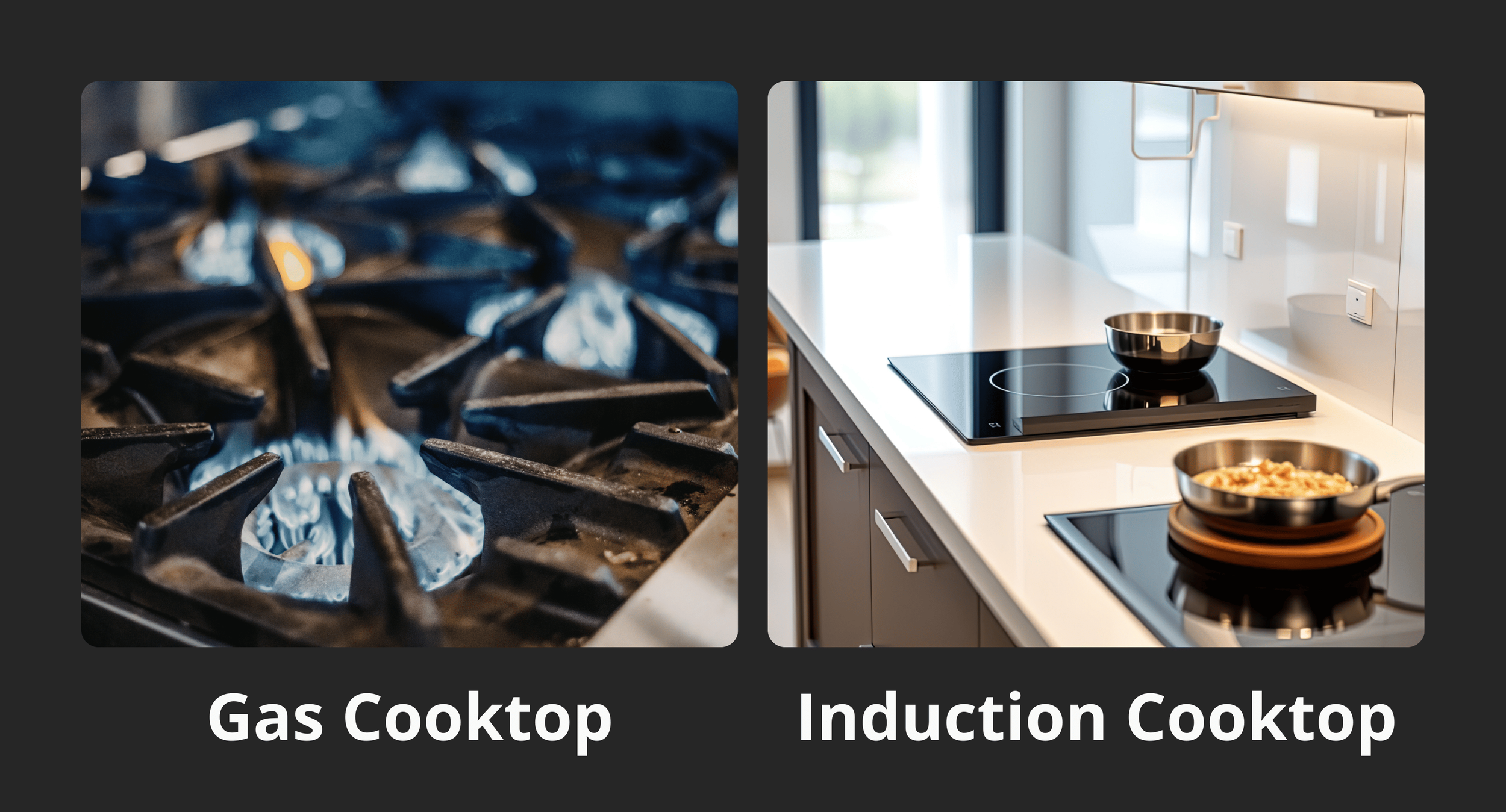
Gas vs Electric vs Induction. What’s the Difference?
Let’s break down how each cooking method works and what it’s like to use day to day.
Gas Cooking
Gas cooktops use an open flame as the heat source. They heat up quickly and are easy to adjust using knobs, but the temperature is not very precise.
Gas is the least efficient option because a lot of heat escapes around the pan. Open flames and hot grates can also be risky, especially in family homes. Cleaning takes more effort, as grates and burners need regular scrubbing.
Electric Cooking
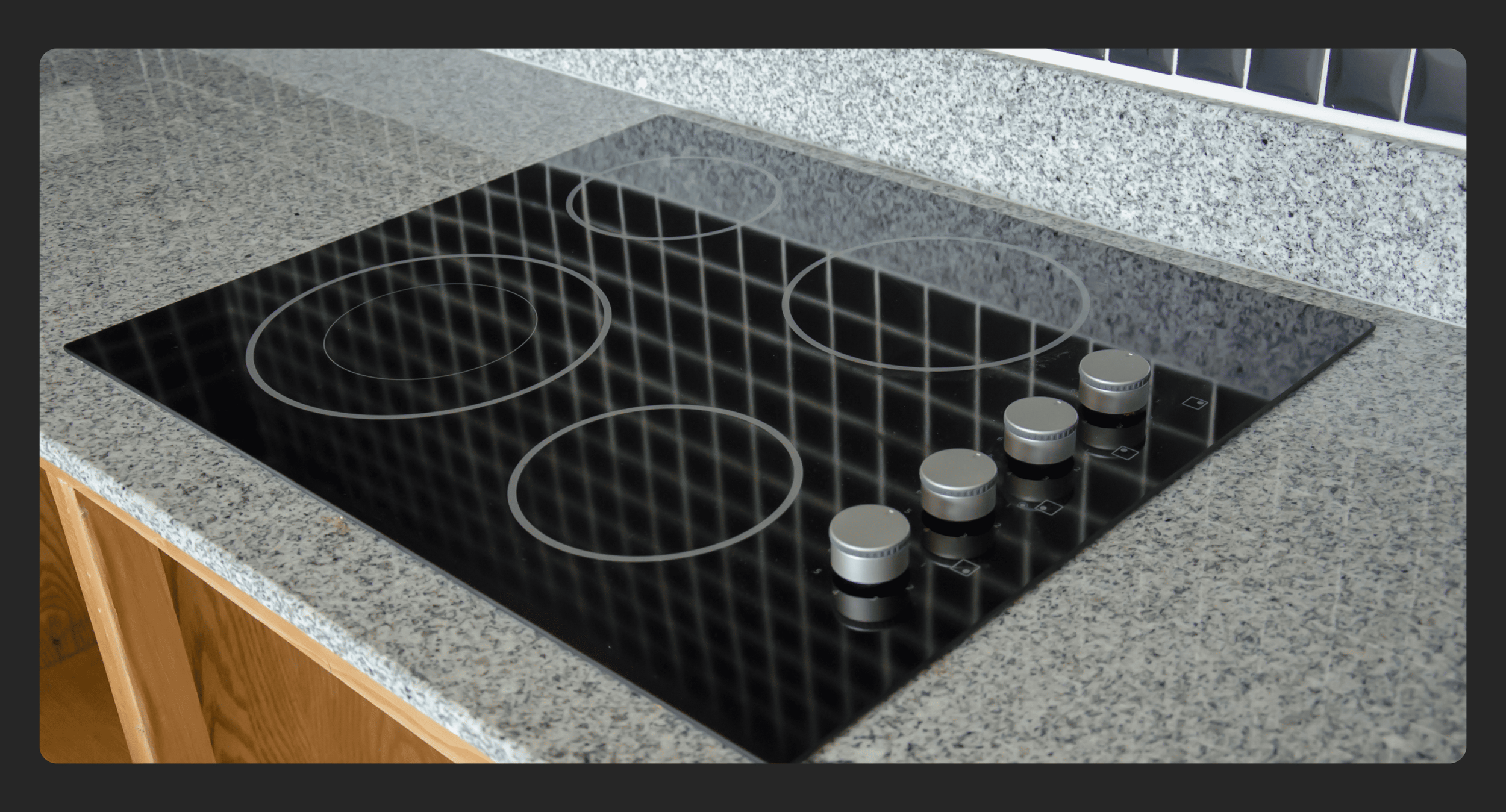
Electric cooktops use an electric element below a flat cooking plate. Once heated, they provide steady and even cooking with simple controls.
They are more efficient than gas but slower to heat up. The cooking surface stays hot for some time after use, so care is needed. On the plus side, the flat surface is easy to wipe clean.
Induction Cooking
Induction cooktops use a magnetic field generated by copper coils to heat the cookware directly. The cooktop itself stays cool.
Induction offers very precise temperature control, heats up fast, and is the most energy efficient option. With minimal heat loss and an easy to clean surface, it’s also the safest choice for many homes.

Do Gas Ovens Take Longer to Cook Than Electric?
No, gas ovens do not usually take longer to cook than electric ones. The open flame heats the oven air quickly, so gas ovens often preheat faster. In everyday use, cooking times are generally similar.
Is It Cheaper to Cook with Gas or Electric?
It depends on your tariff, the age of your appliances, and how you cook. However, induction electric cooking often comes out cheaper in the long run.
Comparing Energy Costs in Plain English
Gas and electricity are measured in different units, which makes comparison tricky. Efficiency plays a big role in what you actually pay.
Gas
Tariff: 3.6 to 4.1 cents per megajoule
Efficiency: around 30 to 55 percent
Average monthly cooking cost: $45 to $60
Electric
Tariff: around 25.9 cents per kilowatt hour
Efficiency: around 60 to 75 percent
Average monthly cooking cost: $55 to $75
Can be close to zero with solar use
Induction
Tariff: around 25.9 cents per kilowatt hour
Efficiency: around 85 to 90 percent
Average monthly cooking cost: $35 to $50
Can be close to zero with solar use
What Really Affects Your Cooking Costs
Here are the main factors that influence what you spend.
Solar panels
If you cook during the day and have solar, electric and induction cooking can cost almost nothing.
Type and age of your appliance
Gas cooktops lose a lot of heat through open flames. Older gas appliances can waste up to 60 percent of the energy they use. Older electric plates are also less efficient than modern models with better insulation and airflow.
Your electricity tariff
Electricity costs more in the evening. Cooking earlier in the day can help keep costs down.
Want to convert gas to electric cooking? Here’s a detailed article on how much it costs to convert a gas cooktop to induction in Melbourne.
Is It Better to Cook with Gas or Electric?
Both options have pros and cons. The right choice depends on more than just money.
Performance and Cooking Experience
Gas is great for tossing and stir frying. Induction is the fastest option and gives you precise temperature control, which reduces burning and boil overs. Traditional electric cooktops, especially older ones, take longer to heat up.
Safety, Indoor Air Quality, and Comfort
Gas cooktops use open flames, which increase the risk of burns and fires. They also release heat into the home, which can affect comfort levels and highlights the importance of proper smoke alarm safety.
Gas ovens release nitrogen dioxide, so good ventilation is essential. Electric and induction cooking do not carry these risks and are generally safer for indoor air quality.
Beyond Bills. Why People Are Moving Away from Gas
More Melbourne households are choosing electric cooking, and for good reason.
The Victorian Government has banned gas connections in new homes built after 2022. Homeowners renovating are choosing sleek induction cooktops over bulky gas grates. Homes with solar are switching to electric to cut running costs. And modern appliances offer features like automatic shut off for added safety.
So Which Should You Choose for Your Home?
If your home already has a modern gas setup and you don’t cook often, staying with gas for now can be fine.
But, if you are renovating your home or adding a solar system, we recommend switching to electric cooking. You may also need a switchboard upgrade to support induction cooking, along with a 3-phase power supply or EV charger to future-proof your home.

How AJD Electrical Solutions Can Help You Decide
If you are still unsure or if you have questions, call us today for an obligation-free consultation. Our domestic electricians in Melbourne will assess your setup and explain your options clearly.
We’ll talk through running costs, upfront costs, and any electrical upgrades you may need, so you can make a confident decision.
FAQs. Gas vs Electric Cooking
-
With solar panels, electric and induction cooking is the cheapest option, especially during the day.
-
Gas cooktops usually last 10 to 15 years. Electric and induction cooktops can last up to 25 years.
-
Induction cooktops often need 6 to 10 kW. If your electrical system is older, a switchboard upgrade or rewiring may be needed.
-
Yes, a hybrid setup is possible, but it must comply with Victorian regulations and should be handled by a licensed professional.
-
Give us a call. We’ll assess your home, provide a clear quote, and manage everything from start to finish.
We’re a local business with over 10 years of experience, and you can always count on us for honest advice and reliable electrical work.